
Dev-blogg
Text ……
-
Dev-blogg vecka 43
Den här veckan har vi fortsatt arbetet med NGP, bland annat med förbättringar i Open OnDemand, förberedelser inför NGP-dagen och vidareutveckling av beräkningsklustret NGPc. Open OnDemand (OOD) Vi har arbetat med att uppdatera utseendet på HTML-sidorna i Open OnDemand (OOD) så att de bättre passar ihop med resten av NGP. Målet är att få ett…
-
Dev-blogg vecka 42
Brainchild Arbetet fortsätter med att implementera det första utkastet av design i webportalen. Dokumentation för användare Vi har lagt ett större fokus på dokumentation ämnad för användande kring NGPr (även kallat HCP) och NGPc. Målet är att inom relativt snar framtid ha en första version av dokumentation som täcker tekniska admins mest basala behov samt…
-
Dev-blogg vecka 41
Det har varit ett par regniga dagar i Göteborg nu när hösten är på ingång, men trots det har vi fortsatt vårat arbete med NGP:n och dess kringliggande projekt! Brainchild Vi har påbörjat implementeringen av portalen utifrån det godkända utkastet, och utvecklingen pågår nu. Parallellt har säkerhetsarbetet formaliserats. En fullständig genomförandeplan och tillhörande rekommendationer finns…
-
Dev-blogg vecka 40
Brainchild Design av portalen har blivit godkänd, vilket betyder att arbetet med att bygga portalen kan påbörjas. Fortsatt arbete med att implementera kohorter, där bland annat GraphQL API har undersökts. Diskussioner kring hur funktionalitet ska kunna förverkligas pågår. Fortsatt arbete gällande säkerhet kring IAM och infrastruktur för att kunna införa BankId autentisering, och en tidsplan…
-
Dev-blogg vecka 39
Brainchild Kurs i Fabric och PowerBI fortsätter. Grunden läggs för att vi ska kunna managera alla aspekter av lösningen Brainchild samt vidareutveckla på sikt. We are working on Draft 3 of the portal design. We’re continuing to refine the overall experience and incorporate feedback to further improve the design. VDP Infrastruktur Bonsai, Mimosa, pilotprojektet GMS…
-
Dev-blogg vecka 38
Brainchild Bonsai Säkerhetsrutiner Infrastruktur /Jens PW

Rubrik
Fleurs is a flower delivery and subscription business. Based in the EU, our mission is not only to deliver stunning flower arrangements across but also foster knowledge and enthusiasm on the beautiful gift of nature: flowers.
Title
The NGPr is a geographically distributed object storage manufactured by Hitachi, the Hitachi Content Platform (HCP). Data is spread over three sites within the VGR IT-infrastucture using Erasure-Coding. This technology can be colloquially described as “RAID for datacenters” where one of the sites can be knocked offline without any data loss. Total available storage space is 4.5 Pb, divided across partner regions according to population. The storage platform can be grown by adding more storage racks, almost indefinitely.
Within the platform, data is divided by data owner using “tenants”, each tenant providing a secure storage environment where the owner region can maintain complete autonomy. Therefore, each region appoints a tenant administrator who will have complete ownership of the tenant and hold the admin credentials. After credential handover, HCP super-admins can’t access any controls or any data within the tenant, without explicit authorisation-action taken by the tenant administrator. In addition, the HCP super-admin cant delete a tenant that has data stored inside.
Each region is provided with their own tenant, denoted by their GMC-name and a tenant-identifier that is used for internal purposes within the HCP. Objects stored inside a tenant can be made available to other parties using Access Control Lists (ACL) that can be set on each individual object or groups of objects in a tenant. Setting and removing access rights to specific objects rests with the tenant administrator.
To facilitate multicenter research projects where data ownership is shared, GMS also provide a shared tenant “gmc-joint”. By default, all organisations participating in GMS have access to the joint tenant, although part of the tenant can be restricted to a subset of parties, in cases where not all GMS partners participate in a project.
Inside a tenant, data is divided into “buckets”, providing a convenient way of separating data used for different purposes, or coming from different sources. Each bucket works much like a regular file system on a PC, where objects (files) can be stored in a folder structure. The tenant admin can create buckets, and also set limits on how much data can be stored in a specific bucket.
Tell your story
Like flowers that bloom in unexpected places, every story unfolds with beauty and resilience, revealing hidden wonders.
Our services
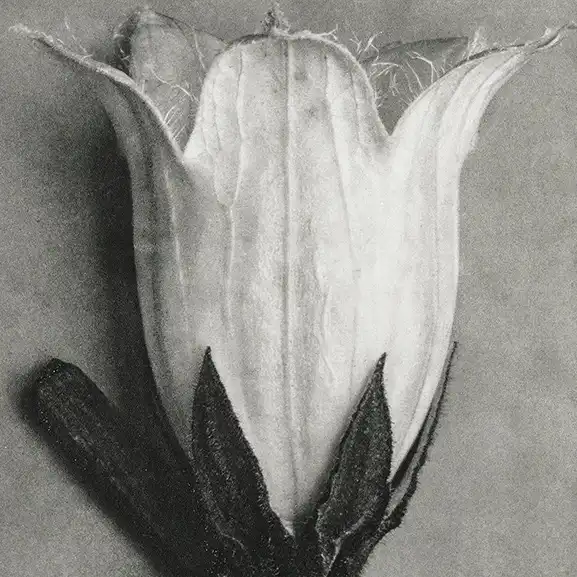
Collect
Like flowers that bloom in unexpected places, every story unfolds with beauty and resilience
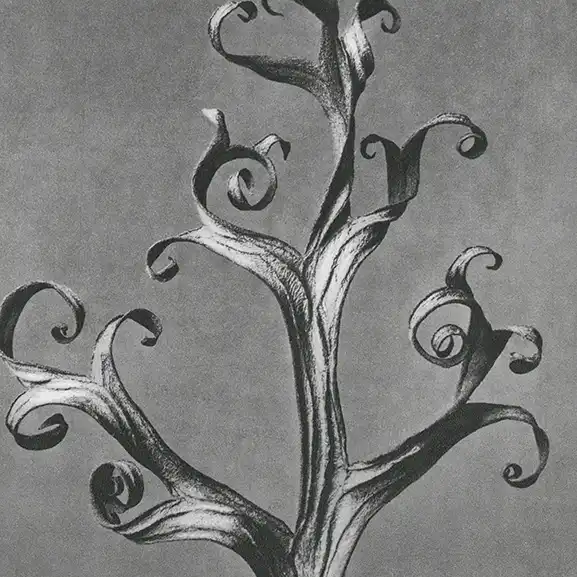
Assemble
Like flowers that bloom in unexpected places, every story unfolds with beauty and resilience
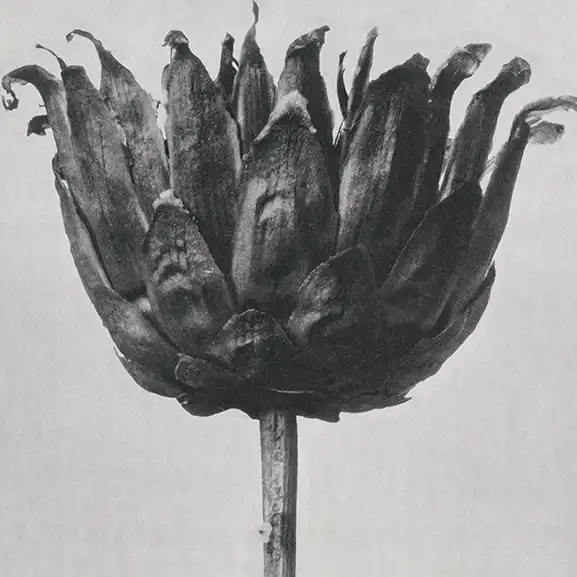
Deliver
Like flowers that bloom in unexpected places, every story unfolds with beauty and resilience
What people are saying
Jo Mulligan“Superb product and customer service!”
Atlanta, GA
Pricing
Cancel or pause anytime.
Free
0€
- Get access to our paid articles and weekly newsletter.
- Join our IRL events.
- Get a free tote bag.
- An elegant addition of home decor collection.
- Join our forums.
Single
20€/month
- Get access to our paid articles and weekly newsletter.
- Join our IRL events.
- Get a free tote bag.
- An elegant addition of home decor collection.
- Join our forums.